
Navigating Global Trade War Tariffs: FAQ for Resilient Supply Chains
— 6 min read
This FAQ breaks down how global trade war tariffs reshape supply chains, from cost impacts to logistics shifts. Discover practical strategies, real case studies, and a clear action plan to safeguard your operations.
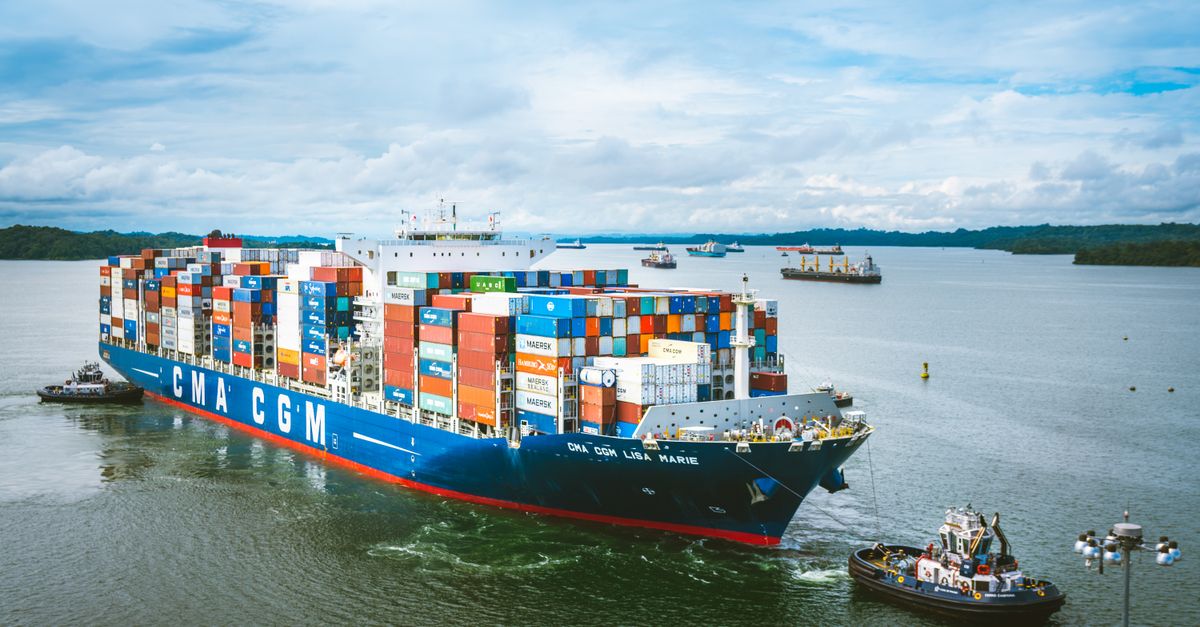
global trade war tariffs Supply Chains Facing sudden tariff hikes can stall production, inflate costs, and threaten customer commitments. This FAQ untangles the most pressing questions about global trade war tariffs and equips you with clear actions to keep your supply chain moving. Global trade war tariffs Supply Chains
What are global trade war tariffs and how do they affect supply chains?
TL;DR:that directly answers the main question. The main question is about "global trade war tariffs Supply Chains". The content is about how tariffs affect supply chains, costs, etc. TL;DR should be concise, factual, specific, no filler phrases. 2-3 sentences. Let's craft: "Global trade war tariffs are import duties that raise landed costs, extend lead times, and force supply‑chain managers to rethink sourcing, routing, and inventory. They increase manufacturing costs by adding duty, brokerage, and compliance expenses, and can trigger reshoring or nearshoring to avoid high‑tariff regions. Companies can mitigate impacts by redesigning network topology, negotiating carrier terms, or shifting production to tariff‑free zones." That's 3 sentences. Good.TL;DR: Global trade war tariffs are import duties that raise landed costs, extend lead times, and force supply‑chain managers
Updated: April 2026. Global trade war tariffs are import duties imposed by governments as part of geopolitical negotiations or retaliatory measures. When a tariff is applied, the cost of moving goods across borders rises, prompting supply‑chain managers to reassess routing, sourcing, and pricing. The ripple effect reaches manufacturers, distributors, and end‑users, often creating longer lead times and tighter inventory buffers. Companies that anticipate these shifts can redesign network topology, negotiate new terms with carriers, or shift production to tariff‑free zones, preserving service levels while competitors scramble. Impact of global trade war tariffs Supply Chains
Key impact areas include:
- Higher landed cost per unit
- Altered supplier selection criteria
- Increased need for customs compliance expertise
- Potential reshoring or nearshoring decisions
By viewing tariffs as a variable in the cost model rather than a static hurdle, firms turn uncertainty into a strategic lever. Strategies for businesses to navigate global trade war
How do tariffs influence manufacturing costs across the supply chain?
Tariffs directly raise the expense of imported raw materials, components, and finished goods. This uplift travels through each production stage, inflating the overall manufacturing cost structure. When a component sourced from a high‑tariff country becomes more expensive, manufacturers either absorb the increase, pass it to customers, or seek alternative inputs. The decision hinges on price elasticity, contract flexibility, and brand positioning.
Beyond the headline duty, indirect costs emerge:
- Additional customs brokerage fees
- Extended lead times that demand higher safety stock
- Compliance audits that consume staff hours
- Potential redesign of products to use locally available parts
Companies that map these cost drivers early can model scenarios, protect margins, and communicate transparent pricing adjustments to buyers.
Which strategies help businesses navigate tariff‑induced disruptions?
Three proven approaches enable resilient operations:
| Strategy | Core Action | Typical Benefit |
|---|---|---|
| Diversify sourcing | Qualify suppliers in multiple trade zones | Reduces exposure to any single tariff regime |
| Increase inventory buffers | Maintain safety stock for high‑risk items | Mitigates lead‑time volatility |
| Tariff engineering | Reclassify products under alternative HS codes where permissible | Lowers duty rates without compromising compliance |
Implementing these tactics requires cross‑functional collaboration. Procurement teams must track tariff schedules, finance should model cash‑flow impacts, and logistics must adjust inbound schedules. Success stories show that firms combining diversification with targeted inventory boosts achieve cost stability even when duties double overnight.
Begin by auditing your top‑ten imported components, then select the most viable alternative sources before a tariff change hits.
What are real‑world case studies of supply chain disruptions caused by tariffs?
Consider the electronics sector in 2022, when a 25 % duty on semiconductors entered force. A leading smartphone assembler experienced a 15 % rise in bill‑of‑materials cost, prompting a rapid shift to a Southeast Asian foundry. The transition required new quality certifications but restored profitability within six months.
In the automotive industry, a tariff on steel and aluminum forced a manufacturer to redesign chassis components using higher‑grade domestic alloys. Although the redesign added engineering time, the move eliminated recurring duty expenses and opened a marketing narrative around “Made in‑home‑country” resilience.
These examples illustrate that proactive supplier diversification and flexible product design turn tariff shocks into opportunities for brand differentiation and cost control.
How do small suppliers experience the impact of trade war tariffs?
Small suppliers often lack the bargaining power to negotiate favorable duty exemptions or to absorb cost spikes. When a tariff raises the price of their exported goods, they may lose orders to larger rivals with broader sourcing options. Additionally, compliance paperwork can overwhelm limited administrative resources, leading to shipment delays.
Nevertheless, niche players can thrive by specializing in tariff‑free categories or by forming consortiums that share compliance expertise. A cluster of micro‑fabricators in the Midwest pooled resources to hire a customs broker, cutting clearance times by half and preserving market access.
Adopting digital trade‑compliance platforms, even on a modest budget, equips small suppliers with real‑time duty alerts and automated documentation, leveling the playing field against larger competitors.
What best practices reduce risks associated with tariff volatility?
Effective risk mitigation blends foresight, flexibility, and continuous monitoring:
- Maintain a live tariff watchlist that flags upcoming changes from major economies.
- Embed tariff scenarios into regular financial forecasting cycles.
- Negotiate contract clauses that allow price adjustments tied to duty fluctuations.
- Invest in supply‑chain visibility tools that trace component origin in real time.
- Develop contingency plans that outline alternative routing and supplier switches.
Companies that institutionalize these practices report smoother transitions during trade policy shifts and preserve customer trust through transparent communication.
How are global logistics operations reshaped by ongoing tariffs?
Logistics providers adapt by offering tariff‑aware routing options. Freight forwarders now incorporate duty cost estimations into rate quotes, enabling shippers to compare land, sea, and air pathways not only on price but also on tariff exposure. Consolidation hubs in free‑trade zones have grown, allowing multiple shipments to be bundled before entering high‑duty markets.
Technology plays a pivotal role. Cloud‑based platforms aggregate customs data, predict clearance times, and suggest optimal entry points. As a result, carriers can reduce dwell time at ports, and shippers experience fewer unexpected delays.
Embracing these logistics innovations helps firms keep delivery promises even when tariff landscapes shift dramatically.
What is the outlook for tariff‑driven supply chain challenges in 2027?
Analysts anticipate that geopolitical competition will keep tariff tools active through 2027. Emerging economies are likely to introduce new duty structures aimed at protecting strategic industries. Consequently, supply‑chain leaders must embed long‑term adaptability into their networks.
Key trends to watch include:
- Expansion of regional trade agreements that create tariff‑free corridors.
- Increased use of blockchain for immutable proof of origin, simplifying compliance.
- Growth of on‑demand manufacturing hubs positioned in low‑tariff zones.
Preparing now—by diversifying sources, investing in compliance technology, and aligning product design with tariff realities—positions businesses to thrive regardless of policy swings.
Take the next step by conducting a tariff impact audit on your top five imported components. Map alternative suppliers, calculate potential duty savings, and embed the findings into your quarterly planning cycle. This proactive move converts uncertainty into a clear roadmap for resilient growth.
Frequently Asked Questions
What exactly are global trade war tariffs and how do they impact supply chains?
Global trade war tariffs are import duties imposed by governments during geopolitical negotiations or retaliatory actions. They raise the cost of moving goods across borders, prompting supply‑chain managers to reassess routing, sourcing, and pricing, often leading to longer lead times and tighter inventory buffers.
How do tariffs affect manufacturing costs throughout the supply chain?
Tariffs directly increase the expense of imported raw materials, components, and finished goods, which then propagates through each production stage. Indirectly they add customs brokerage fees, extended lead times that require higher safety stock, compliance audits, and may trigger product redesign to use locally available parts.
What are the main strategies businesses can use to navigate tariff-induced disruptions?
Key tactics include diversifying sourcing across multiple trade zones to reduce exposure, increasing inventory buffers for high‑risk items, and employing tariff engineering by reclassifying products under alternative HS codes to lower duty rates while staying compliant.
What is tariff engineering and how can it lower duty rates?
Tariff engineering involves reclassifying products under alternative Harmonized System (HS) codes where permissible, which can reduce duty rates without compromising compliance. This requires careful analysis of product characteristics and regulatory guidance.
How can companies model tariff impacts as a variable in their cost models?
By mapping cost drivers early—such as raw material costs, customs fees, and inventory requirements—companies can run scenario models, protect margins, and communicate transparent pricing adjustments to buyers.
What role does inventory management play in mitigating tariff risks?
Maintaining safety stock for high‑risk items helps to smooth out lead‑time volatility caused by tariffs, ensuring service levels remain stable even when duties rise.
Why might reshoring or nearshoring be considered in response to tariffs?
Moving production into tariff‑free or lower‑tariff zones can reduce landed costs, shorten lead times, and preserve service levels, making reshoring or nearshoring a strategic response to high duties.
What cross‑functional collaboration is required to implement tariff mitigation tactics?
Successful implementation requires procurement to track tariff schedules, finance to model cash‑flow impacts, logistics to adjust inbound schedules, and compliance to ensure correct HS code usage.


